Non-invasive (genetic) monitoring of Shetland's otters.

Updated: May 13

This spring I have been working with one of Europe’s leading otter experts Addy de Jongh with his students Tim and Jarin in mapping the details of a selection of Shetland otter territories, as well as collecting spraint (otter droppings) for DNA sampling. This exciting study will hopefully unlock many unanswered questions about the population dynamics of coastal otters which can be used to help with conservation efforts across their range.

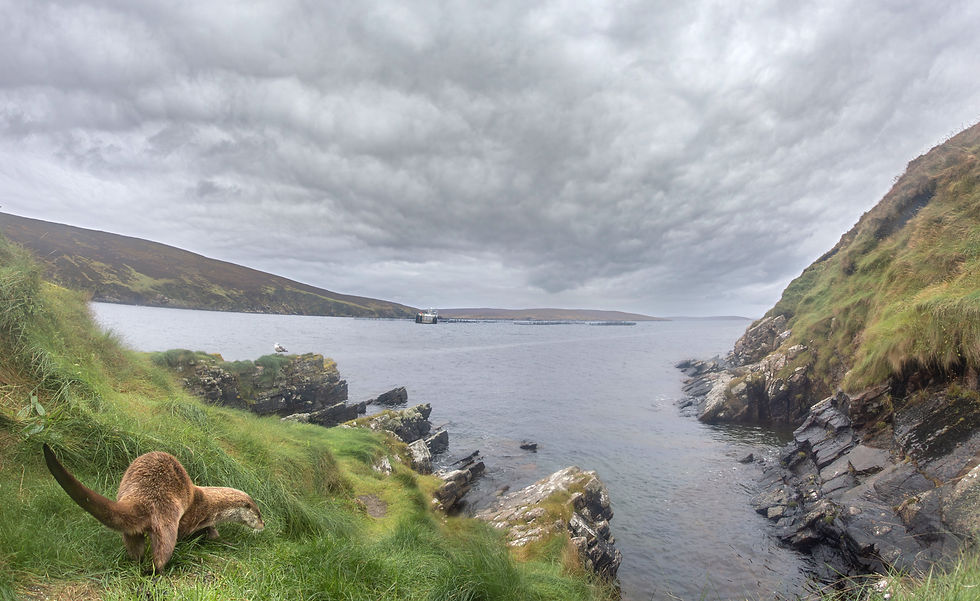
Eurasian otters home ranges are peppered with "spraint". As the species is primarily solitary and highly territorial these latrines serve an important role in everything from sharing information about who is where to reproductive availability. Otters have pretty loose bowels, this tedency to spraint frequently forces an instinctive mapping of their movements. One nice example of their positive use is the way in which the spraint of a mother otter is used to mark safe spots that stray cubs can easily find their way back to should they become separated. This also hi lights the importance of not leaving your own smell at a spraint site and only sampling part of faecal matter.

This kind of non invasive genetic sampling using spraint can effectively determine the presence, population size, sex ratio, and genetic diversity of otter populations. Genotyping DNA from these samples even allows researchers to follow the movements of individual otters revealing valuable insights into dispersal home range sizes and habitat use. There is potentially much to be learned from the DNA of prey species found in spraints too, these neat little packages are filled with information about the species richness and diversity of Shetland's voes.
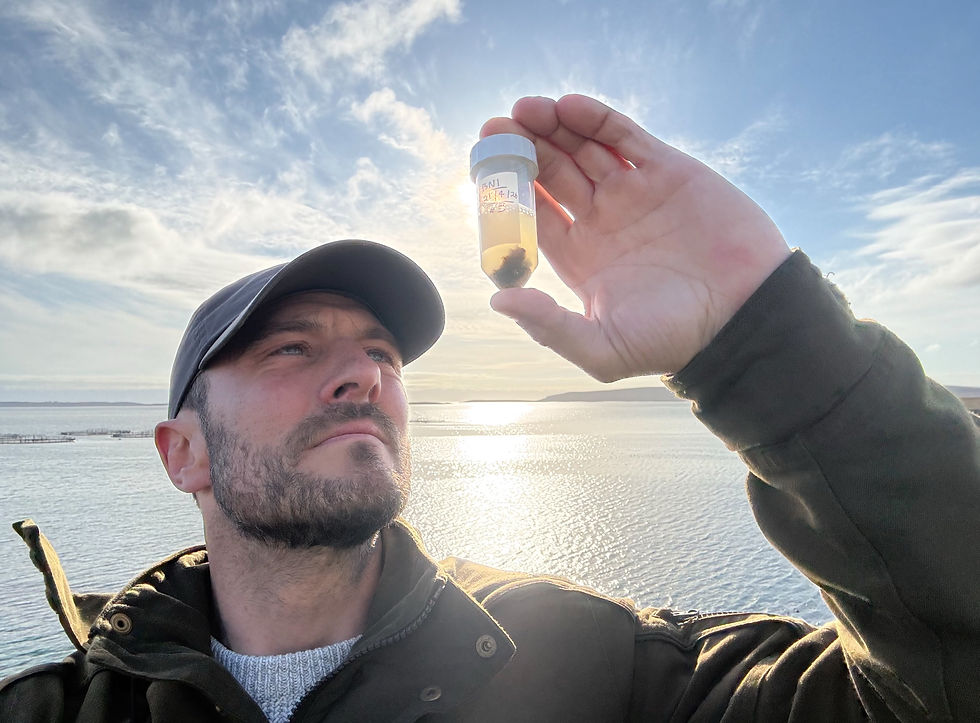
Addy was a student of Hans Kruuk, an emineant figure in the field of animal behaviour and ecology. If you haven't heard of him you may well have heard of Niko Tinbergen, a pioneer of the study of animal behaviour under whom Hans worked as a student himself. Addy is looking at coastal Eurasian otter population dynamics across Europe with the Shetland animals forming a significant part of his research.

Visual observations of everything from spraint sites to the otters themselves are recorded via a mobile application collating hundreds of data points from a selection of high density otter locations across Shetland. Meanwhile, as part of the same study there are teams carrying out research along coasts in Ireland, Portugal and Greece where Eurasian otter can also be found.

There will be several additional elements to this study going forward which will look at both in shore and off shore habitat use. The results may be a few years from publication but it will be very exciting to have been a part of the research team and ultimate to have contributed to our understanding of one of Europe's most elusive carnivores.


Comments